
Friday, 12 June 2026
Building a villa in a tropical destination like Lombok requires special attention to materials. The region’s heat, humidity, heavy rainfall, and coastal conditions can quickly damage buildings that are not designed for the environment. Fortunately, several sustainable materials perform exceptionally well in tropical climates.
1.Natural Stone
Materials such as granite, limestone, and sandstone stay cool, resist moisture, and offer excellent durability. They are ideal for flooring, walls, and outdoor spaces.
2.Teak Wood
Teak is naturally resistant to moisture, termites, and decay. It is widely used for doors, furniture, and decking in tropical regions.
3.Bamboo
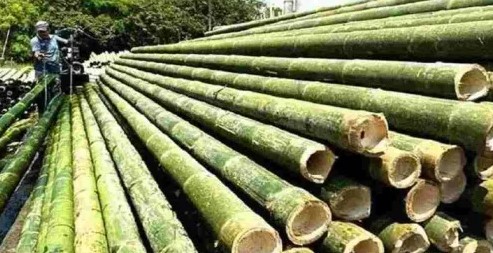
Bamboo is sustainable, fast-growing, and surprisingly strong. It provides a natural tropical aesthetic while reducing environmental impact.
4.High-Strength Concrete
Concrete remains one of the most reliable materials for tropical construction. It withstands heavy rain, strong winds, and fluctuating temperatures.
5.Cellular Concrete Blocks
These lightweight blocks provide excellent insulation and help keep indoor temperatures comfortable. They also offer soundproofing benefits.
6.Clay Roof Tiles
Clay and terracotta roofing materials reflect heat and improve airflow, helping villas stay cooler throughout the day.
7.Ceramic Tiles
Ceramic flooring resists moisture, remains cool underfoot, and requires minimal maintenance. It is perfect for tropical homes.
8.Steel Frameworks
Steel is resistant to termites, mold, and rot. It also performs well in areas prone to earthquakes and heavy rainfall.
9.Solar-Protective Glass
Modern glass technology reduces heat transfer while still allowing natural light into the villa. This improves comfort and energy efficiency.
For Lombok, combining these materials with smart design features such as cross-ventilation, shaded terraces, and high ceilings can create a villa that is comfortable, durable, and environmentally friendly.